Nintendo cuts Switch 2 production following disappointing holiday sales, but history shows why we shouldn’t be surprised

The 2025 holiday season has come and gone, but it looks like Nintendo's tidings were less than jolly.
According to Bloomberg, Nintendo Switch 2 sales in the U.S. dropped to record-breaking lows over the holidays. In response, Nintendo is rolling back Switch 2 production by 30% to recoup costs and give the company time to grapple with the grim realities of the modern gaming market.
This brutal turn of events has, understandably, sparked confusion and fear among Nintendo enthusiasts. However, the company's history shows that this downturn could be part of a long-running trend that's defined Nintendo's console sales for decades, and that fact could offer Nintendo and its fans a glimmer of hope.
Nintendo console sales have been on a rollercoaster for over two decades
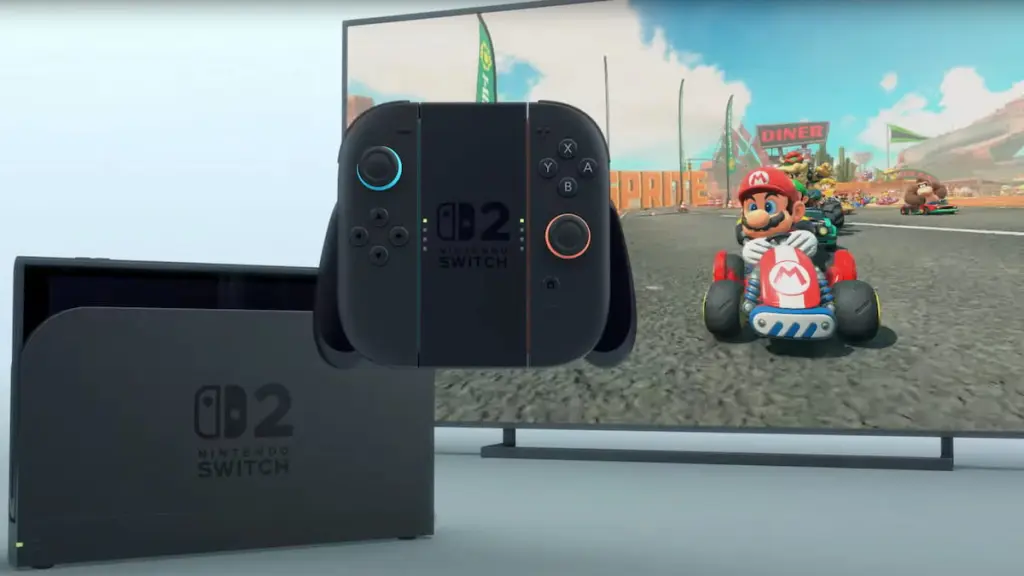
The mysterious curse currently plaguing Nintendo console sales began with the GameCube. The Nintendo 64 was a smash hit, and Nintendo was eager to catch lightning in a bottle twice with the GameCube. Unfortunately, the lack of built-in online functionality and a shallow game pool led it to fall behind the PlayStation 2 and Xbox almost immediately. By the end of its lifecycle, the GameCube had sold only around 20 million units, less than half of the 50 million units Nintendo had been hoping for.
Eager to broaden their audience, Nintendo went in an entirely new direction with their next console: a little white box called the Nintendo Wii that used the then-new concept of motion controls, trading a traditional controller for a wireless remote. The rest, as we often say, is history: the Wii became the best-selling console of the seventh generation, moving a mammoth 100 million units.
Emboldened (and perhaps blinded) by success, Nintendo doubled down on the Wii's "let's get weird" philosophy with their next console, the Wii U. Sadly, gamers weren't eager to embrace the Wii U or its clunky, battery-devouring gamepad. When the dust finally settled, the Wii U emerged as Nintendo's second-worst-selling console, beaten out only by the infamous Virtual Boy.
This inevitably brings us to the Nintendo Switch's 2017 launch. Overcoming the waves of skepticism the Wii U left in its wake, the Switch became the best-selling Nintendo game console of all time, selling over 3 million units in its first week alone. That initial momentum has stayed strong throughout the Switch's run, with total sales at a crisp 155 million units. Impressive as that triumph is, though, it's now become the perch from which Nintendo has fallen.
The Switch 2 is down, but it's not out yet
Sales for the Switch 2 have certainly seen better days, but the console's hardships are not a flat reflection of its quality. Tariffs and the AI-driven rise in the price of memory chips have done catastrophic damage to the U.S.'s gaming market, and the Switch 2 is clearly a victim of those challenges. Even with holiday sales slashing the price, a lot of us here in the U.S. just can't afford to buy a Switch 2 right now.
Things look grim now, but Nintendo's history shows the company knows how to bounce back from the brink of disaster. Bloomberg's article paints a clear picture; Switch 2 sales are down in the U.S., but the dip was much slimmer in other countries, and the recent launch of Pokopia has kept the console's sales going strong in Japan. The year's still young, and all the Switch 2 might need to ramp up its sales numbers is the must-have Mario, Pokémon, or Zelda game that launched previous Nintendo consoles into financial stardom.
The post Nintendo cuts Switch 2 production following disappointing holiday sales, but history shows why we shouldn’t be surprised appeared first on Destructoid.
Stay tuned thanks for visiting


Comments
Post a Comment